Trading Edge
Polymarket Implied Probability for AI Odds
Learn how Polymarket implied probability works for AI markets and how to compare price, fair probability, spread, and evidence.
Key takeaways
- A prediction-market price is an implied probability, not a guarantee and not automatically a fair probability.
- Polymarket price display can depend on bid-ask midpoint or last traded price when spreads are wide.
- The Odsage workflow should compare implied probability with evidence, sentiment, liquidity, and resolution wording.
The simple version
In a yes/no market, a 0.37 yes price is usually read as roughly a 37 percent implied probability. That is the basic translation searchers need before they use any calculator or compare AI model odds.
The mistake is treating that number as truth. It is a market price. It can be shaped by evidence, liquidity, fees, spread, crowd bias, and ambiguity in the market's resolution rules.
How Polymarket explains displayed prices
Polymarket's help material says prices can reflect the midpoint of the bid-ask spread, and when the spread is wider than 10 cents the last traded price can be used. That detail matters because a displayed probability may not be the exact price a user can enter at.
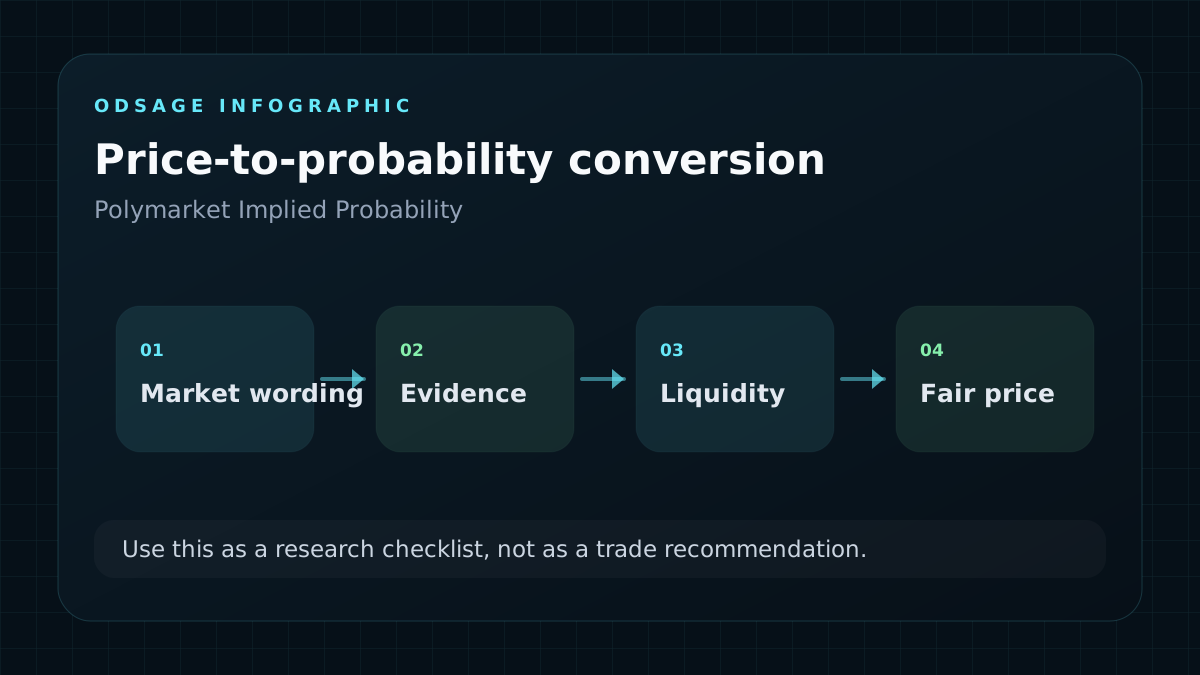
For Odsage, this is a core education page. The best reader outcome is that they stop asking whether 37 percent is right and start asking what price they can actually trade, how deep the book is, and what evidence supports their fair probability.
Fair probability is your estimate, not the market's
The market-implied probability is the price. Fair probability is your evidence-based estimate. Edge only exists when your fair probability is meaningfully different from the tradable price after costs and liquidity.
AI markets need careful fair-probability work because the evidence is messy. A benchmark result, release rumor, or model-card change can be meaningful, but only if it maps directly to the market wording.
Three mistakes to avoid
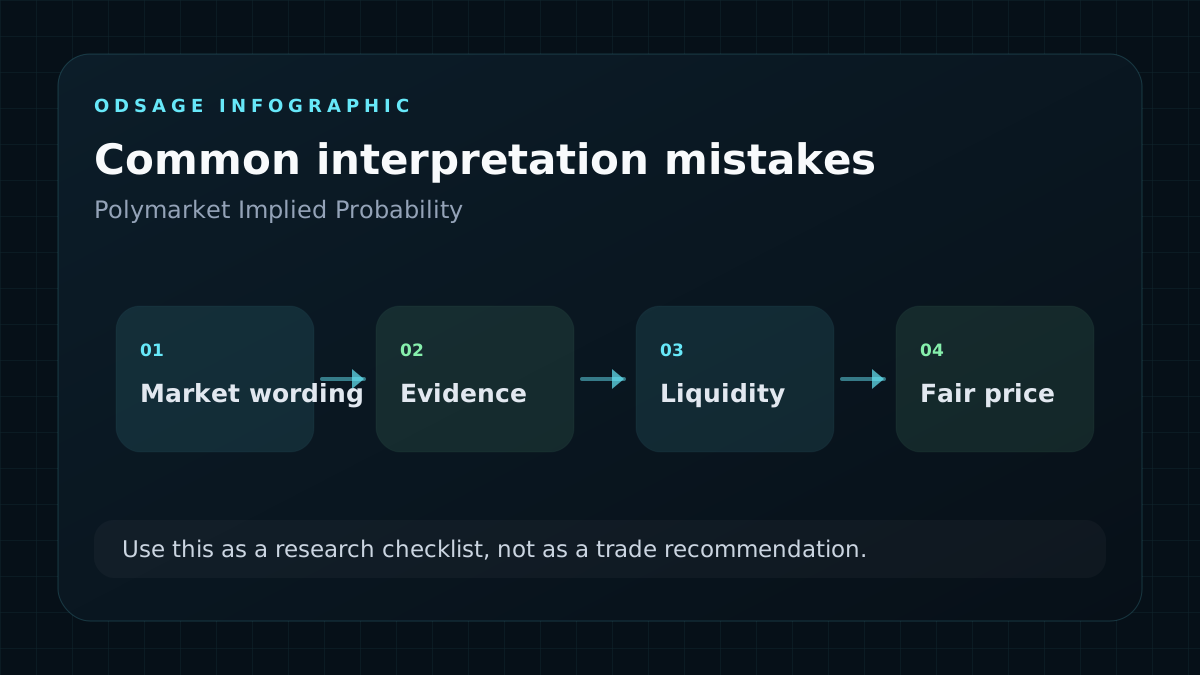
First, do not compare your estimate to the midpoint if the ask price is much worse. Second, do not treat every news headline as probability evidence. Third, do not ignore the possibility that the market resolves differently than the headline suggests.
These mistakes are common in AI prediction markets because the technology moves quickly and naming can be fuzzy. GPT, Claude, Gemini, Grok, and benchmark markets all carry wording risk.
How this supports the Odsage calculators
This article should act as the calculator's education page. Readers who do not understand implied probability will misuse expected value, Kelly sizing, and sentiment divergence.
The page also gives Odsage an evergreen search target. Even if individual AI model markets expire, implied probability remains relevant to every future prediction-market page.
FAQ
Frequently asked questions
Is implied probability the same as true probability?
No. It is the probability implied by market price. True probability is unknown, and fair probability is your evidence-based estimate.
Why can displayed probability differ from my entry price?
The visible probability can reflect midpoint or last traded price. The actual entry price depends on the current bid, ask, spread, and available size.
Why does this matter for AI odds?
AI markets can move on rumors, benchmarks, model names, and unclear resolution criteria, so price needs to be checked against evidence before being trusted.
Sources and methodology
Sources used for this guide
Odsage combines public source links with prediction-market context, related market pages, calculator workflows, and visible FAQ content. Market prices are informational and are not financial advice.