Prediction Markets
Polymarket vs Kalshi: Which Market Signal Is Better?
Compare Polymarket vs Kalshi by market structure, data access, liquidity, settlement rules, pricing, and how Odsage should use both as research signals.
Key takeaways
- DataForSEO shows 3,600/mo search volume and high CPC intent for polymarket vs kalshi, making it the best commercial comparison page in this batch.
- The useful comparison is not who is better overall. It is which platform gives the cleaner signal for a specific market, deadline, and data source.
- Odsage should use both platforms as evidence inputs where possible, then normalize prices through probability, liquidity, and resolution-risk checks.
The real difference between Polymarket and Kalshi
Polymarket and Kalshi are often compared because both turn future events into tradable market prices. That does not mean their prices should be treated as interchangeable. The market set, user base, settlement process, fees, liquidity, and available data can all differ.
For Odsage, the right question is narrower: which platform gives the cleaner signal for AI and technology prediction markets? Sometimes the answer is Polymarket because it has faster global event coverage. Sometimes Kalshi is useful because its rules, market data, and regulated event-contract structure are easier to audit.
Market structure and data access
Kalshi documents exchange APIs for market data and trade execution, including REST, WebSocket, and FIX surfaces. It also documents public market data endpoints that can be queried without authentication.
Polymarket's public user experience is more crypto-native and order-book centered. For Odsage, this creates a useful split: Kalshi can help with structured event-contract data, while Polymarket often provides sharper coverage around fast-moving culture, politics, crypto, and AI narratives.
Regulation and eligibility change the signal
Regulation affects who can trade, how markets are listed, what categories are allowed, and how disputes are handled. The CFTC has described event contracts as markets under its derivatives jurisdiction, and its 2026 statements show how active the regulatory debate has become.
This is why Odsage should avoid blanket legal claims. A comparison page can explain the research differences without telling users where they are eligible to trade. The safer and more useful stance is to compare data quality, source rules, liquidity, and market structure.
Liquidity and execution quality
A platform can have the right market and still give a poor signal if liquidity is thin. The number that matters is not just the displayed probability. It is the bid, ask, spread, available size, and whether recent trades support the current price.
This is where Odsage can create a better interface than a normal comparison article. A market card can show Polymarket price, Kalshi analog where available, Parlay context, sentiment divergence, and an execution-quality warning when the spread or depth is poor.
Which is better for Odsage readers?
If the reader wants fast-moving AI narrative coverage, Polymarket will often be the first place to check. If the reader wants structured event-contract data and a second market reference, Kalshi deserves a place in the workflow.
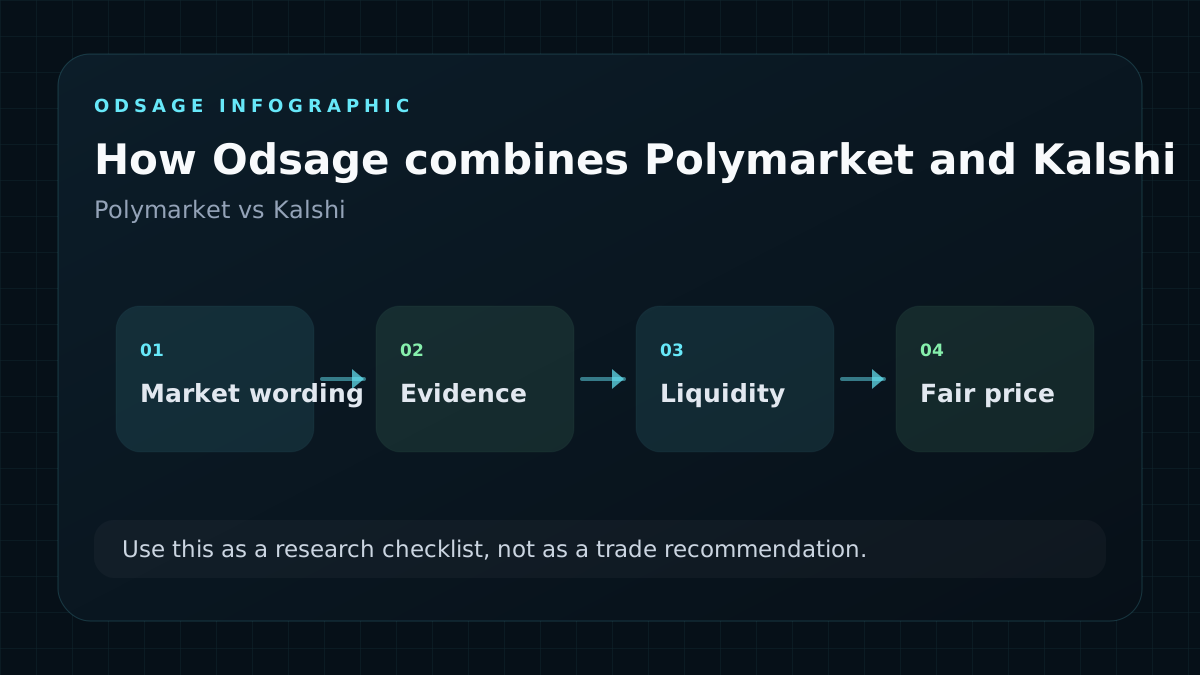
The strongest Odsage answer is not Polymarket or Kalshi. It is Polymarket plus Kalshi plus news plus sentiment plus calculators. That gives the site an authority angle competitors with one static comparison table will struggle to match.
FAQ
Frequently asked questions
Is Polymarket better than Kalshi?
Not always. Polymarket can be better for fast global narrative markets, while Kalshi can be useful for structured event-contract data. The better source depends on the market, liquidity, rules, and user eligibility.
Why do Polymarket and Kalshi odds differ?
Odds can differ because the platforms have different users, market wording, fees, liquidity, settlement rules, and eligibility constraints.
How should Odsage use Polymarket and Kalshi together?
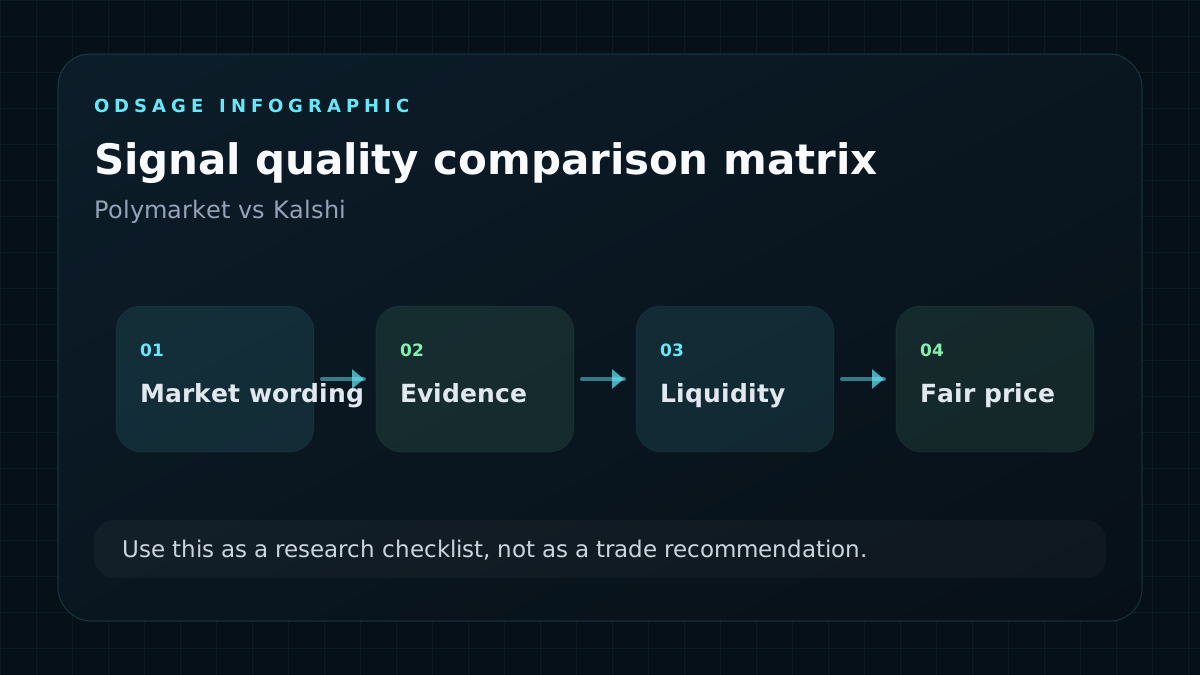
Odsage should normalize both into probabilities, then compare wording, source quality, liquidity, sentiment, and fair-value assumptions before treating either price as a signal.
Sources and methodology
Sources used for this guide
Odsage combines public source links with prediction-market context, related market pages, calculator workflows, and visible FAQ content. Market prices are informational and are not financial advice.